
Lovage, with the scientific name Levisticum officinale KOCH is a plant from the umbelliferae family, which was known to people since the 12th century and was used for medicinal purposes.
The name Lusticum is derived from the Latin word “Lavar” which means cleaner and detergent, which indicates the healing properties of this plant. This plant is native to the Mediterranean regions of southern Europe and Asia Minor and can be found throughout central and southern Europe, Britain, eastern America, and southwest Asia. Lovage is a perennial plant whose height may reach 2 meters and looks very similar to celery.
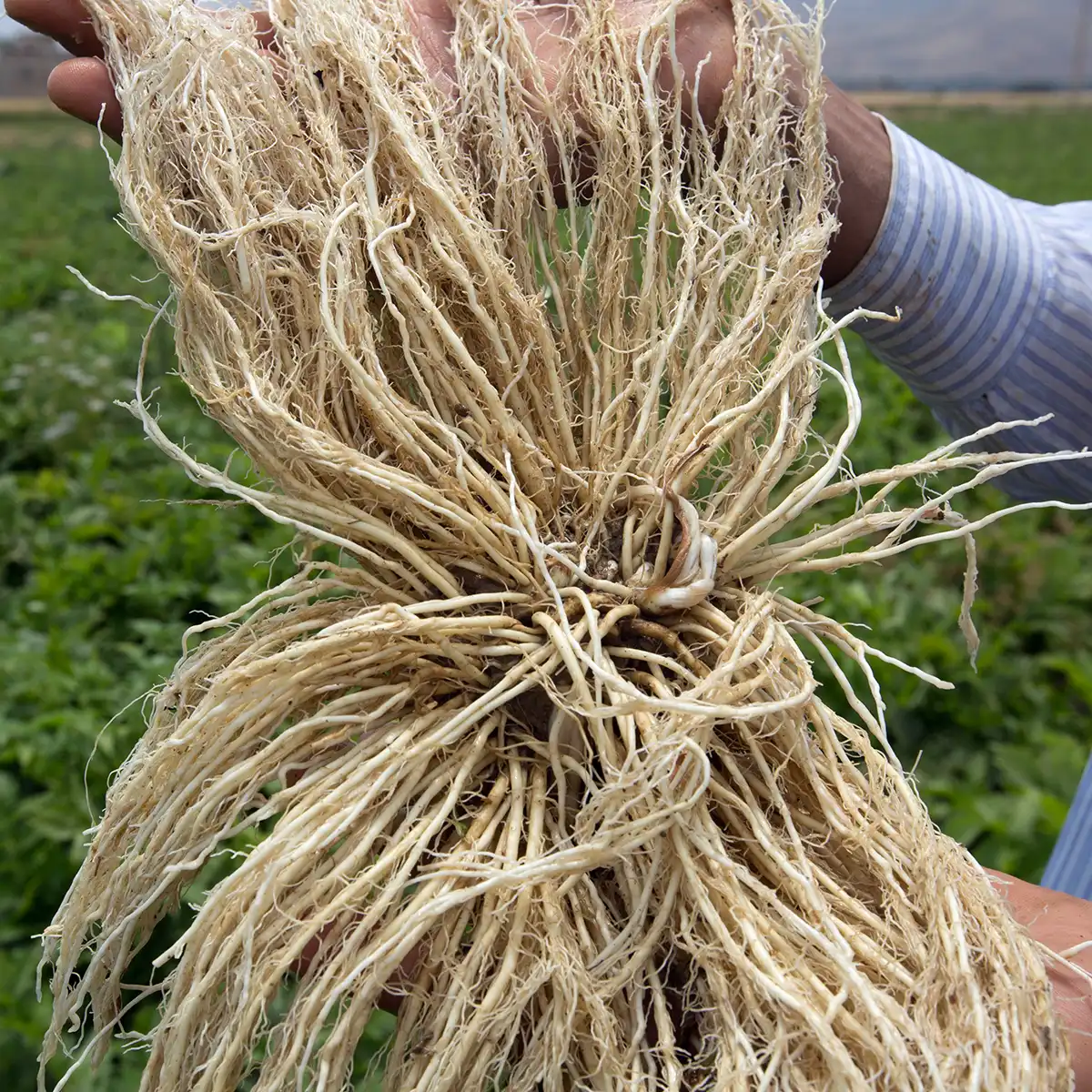
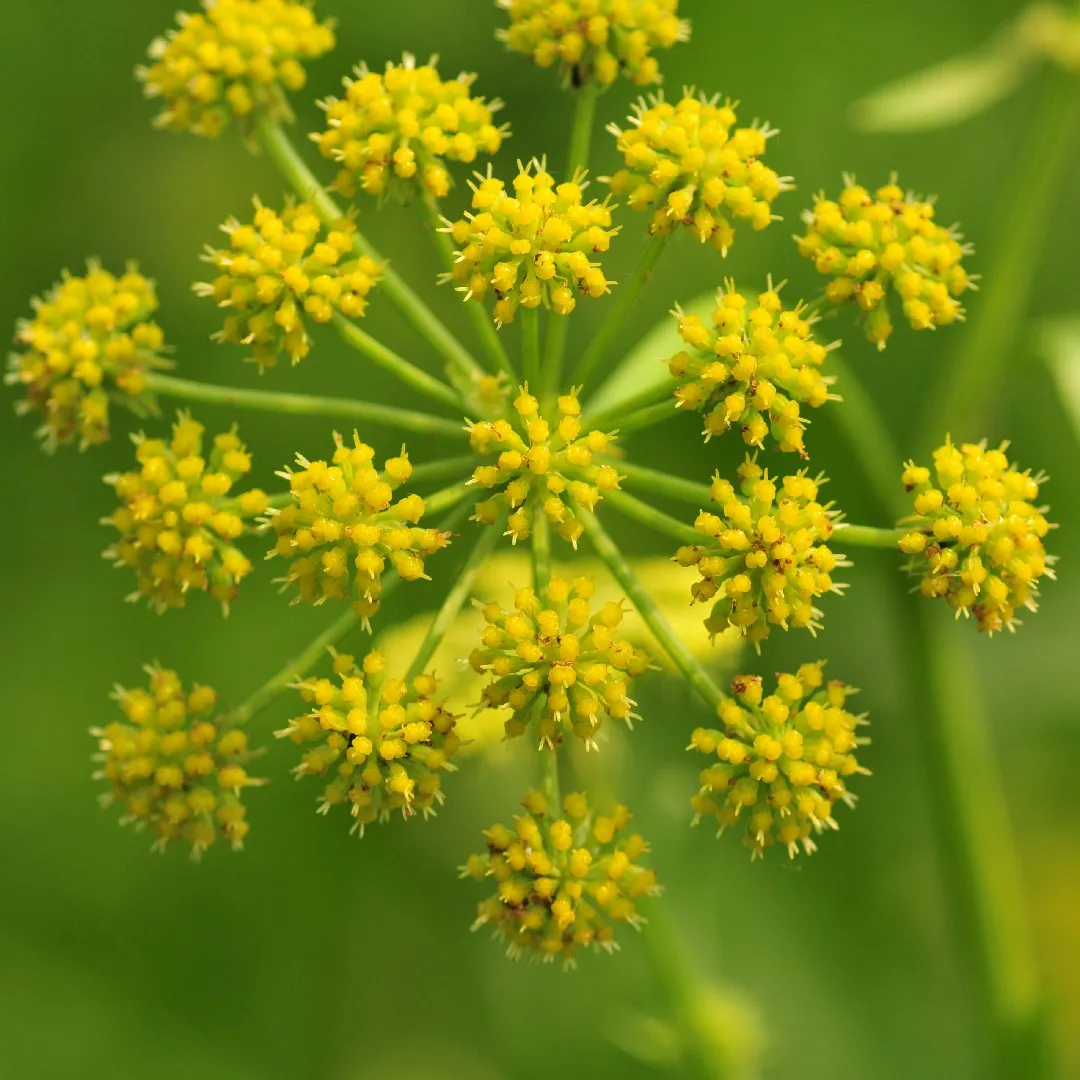
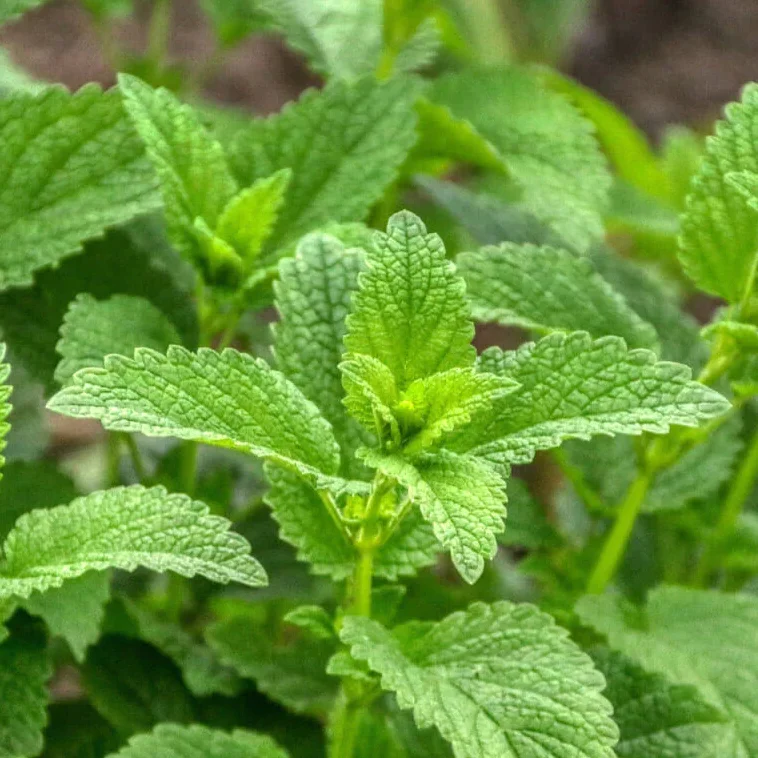
This long-stemmed plant has long, crisp and flat leaves. The leaves are alternate and their length is 50 to 60 cm and they have a long sheath and a smooth and shiny surface. The conical root of this plant is thick, fleshy, grayish brown and 40 to 50 cm long. Pale yellow flowers appear in summer, followed by small dark yellow or light brown fruits.
The root, fruit, leaves and vegetative body of this plant are used medicinally. In authentic pharmacopoeias, the effective ingredients of Lovage root have been introduced as diuretic ingredients. The chemical composition of this plant includes essential oil (mainly phthalides include ligostilide, butyl phthalide, sedanolide, carvacrol, eugenol, and tripeneol), angelic acid, resin, citric acid, liguline pigment, and types of coumarin.
Lovage in the treatment of cases such as urinary tract infection, kidney and bladder stones, expectorant, anti-inflammatory, sedative, germ elimination, anti-muscle spasm, food digester, stimulation of intestinal muscles (anti-flatulence), treatment of colic in children, treatment of indigestion, treatment It is used for facial acne, acne, gout and rheumatism, improving menstrual pain and anemia in women and increasing libido.