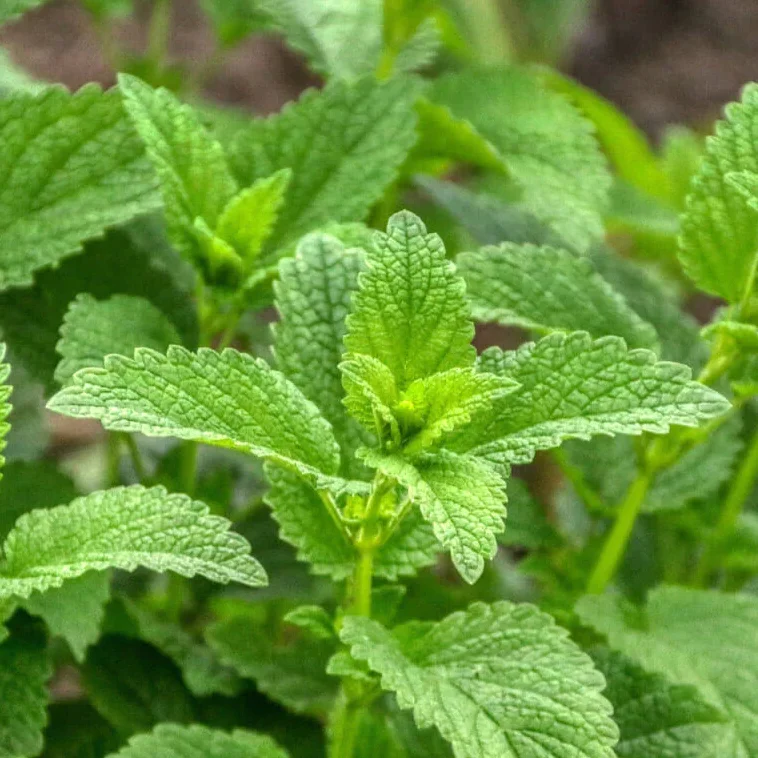

Valerian with the scientific name Valeriana officinalis L. is a plant from the valerian family, which has always been used by humans as a valuable medicinal plant. Valerian is a perennial plant that originates from the temperate regions of Europe and Asia.
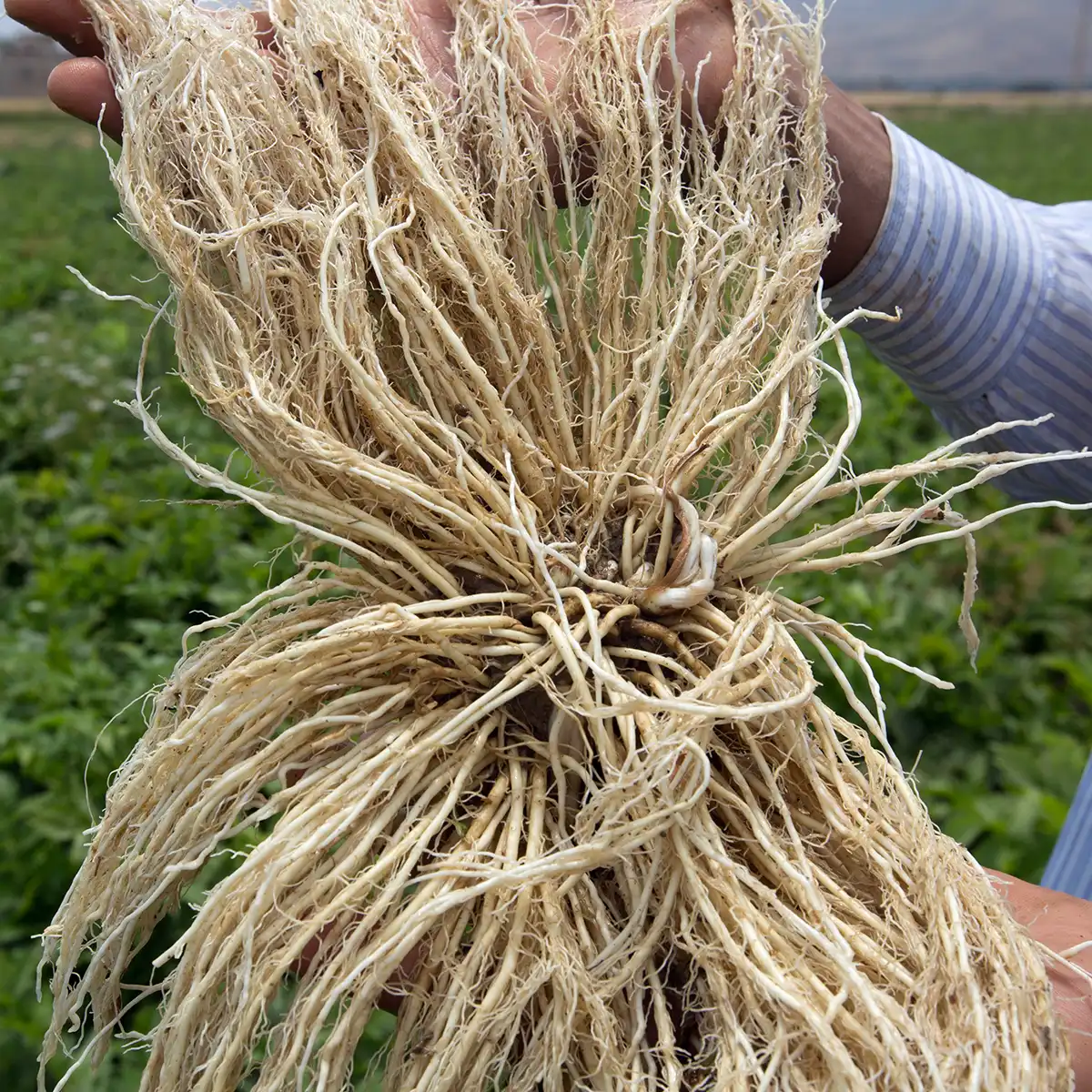
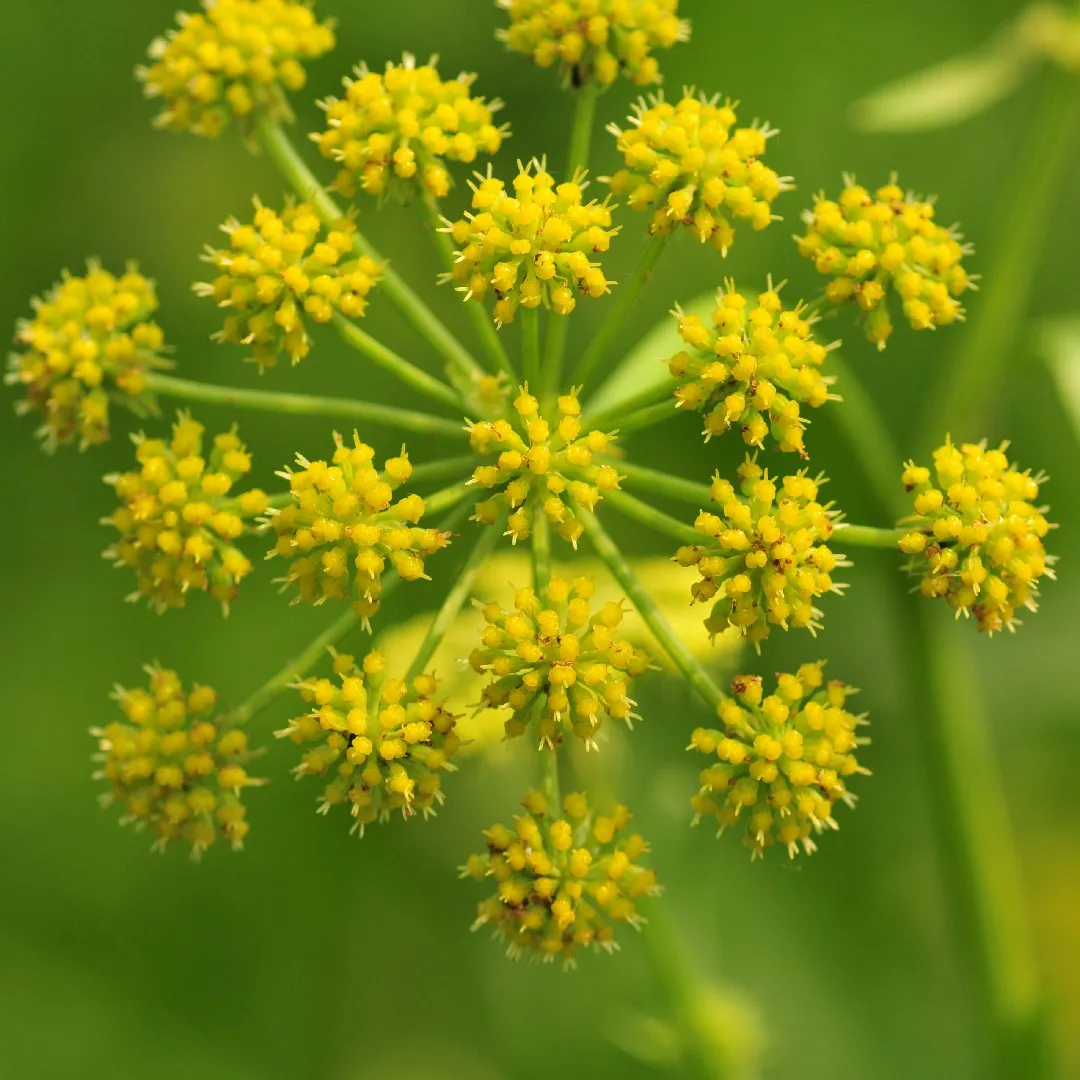
The stem of this plant is 30 to 150 cm high, thick and grooved. The leaves are opposite to each other on the stem. This plant has pink or white flowers. Flowers appear from the middle of the spring of the second year at the end of the main and secondary stems. The root has a short and cylindrical rhizome. Numerous 10 to 15 cm long cylindrical branches emerge from the rhizome.
The useful part of this plant is its root, which has a pungent smell. The root contains valuable secondary metabolites that have been identified by researchers a long time ago. In general, two groups of compounds have been identified in this plant; The first group, compounds found in volatile oil (essence) including monoterpenes and sesquiterpenes. The second group is valpotriates and compounds resulting from their decomposition.
The most important components of essence include borneol, alpha and beta pinene, tripenolene, beta bisabolene, valeran, valeron, valeric acid, isovaleric acid, caffeic acid and acetic acid. Valpotriates include DN valpotriates, mono N valpotriates and valpotriates hydrins. The pungent smell of the root is caused by the presence of isovaleric acid. Because the smell of this substance attracts cats, this plant is also called cat grass.
Valerian has sedative, sleep-inducing, anti-seizure, anti-spasm and muscle relaxant effects and is used in the treatment of cases such as insomnia, nervous tension, lack of concentration, stress, anxiety, headache, menstrual pain, menopause, uterine spasm, colic, fainting, epilepsy, light asthenia, hysteria and nervous cardiopathy.